⚡ FLASH SALE: USE CODE "FAB26" FOR 20% OFF ALL LUXURY ITEMS!

How Social Media Is Changing the Fashion Industry

The fashion industry has always been influenced by culture, creativity, and communication. In the past, fashion trends were mainly controlled by designers, magazines, fashion shows, and celebrities. People waited for seasonal collections and followed the styles presented by major fashion houses. However, the rise of social media has completely transformed the way fashion is created, shared, and consumed.

Platforms such as Instagram, TikTok, Pinterest, and YouTube have changed fashion from a one-way industry into a global conversation. Today, anyone with a smartphone can influence trends, discover new styles, and build a fashion identity. Social media has given consumers more power while forcing brands to adapt faster than ever before.

From influencer marketing to digital fashion shows, social media is reshaping every part of the fashion world. The industry is becoming more accessible, diverse, and connected, creating new opportunities for brands, designers, and fashion lovers.

The Shift From Traditional Fashion to Digital Fashion

For decades, fashion trends followed a predictable path. Designers introduced collections during fashion weeks, editors selected the most important styles, and magazines shared those trends with the public. This process often took months before reaching everyday consumers.

Social media has changed this timeline completely. A fashion trend can now become popular worldwide within hours. A celebrity outfit, a viral TikTok video, or a creative styling idea can influence millions of people instantly.

Fashion is no longer controlled only by luxury brands and fashion experts. Everyday users now contribute to trend creation. A person wearing a unique outfit can gain thousands or even millions of followers, turning personal style into a source of influence.

This shift has made fashion more democratic. Trends are no longer only created at the top of the industry—they can come from anywhere.

The Growing Power of Fashion Influencers

One of the biggest changes caused by social media is the rise of fashion influencers. These individuals have built large communities by sharing outfit ideas, shopping recommendations, styling tips, and lifestyle content.

Influencers often have strong relationships with their followers because their content feels more personal and relatable compared to traditional advertising. Many consumers trust recommendations from influencers because they see them as real people rather than distant celebrities.

Brands now collaborate with influencers to promote collections, launch products, and reach specific audiences. A single social media post from a popular creator can create massive attention for a fashion item.

This has created a new career path where individuals can become fashion entrepreneurs, brand ambassadors, and style experts without working through traditional fashion systems.

Social Media Creates New Fashion Trends

Social media platforms have become the birthplace of many modern fashion trends. TikTok, in particular, has introduced new aesthetics and style movements that spread rapidly among younger generations.

Trends such as minimalist fashion, vintage-inspired outfits, streetwear styles, and creative layering have gained popularity through online communities. Hashtags allow users to discover specific fashion ideas and participate in global conversations.

Unlike traditional fashion seasons, social media trends move quickly. A style can become popular one month and replaced by a new trend the next. This fast movement challenges brands to become more flexible and responsive.

Fashion companies now monitor online conversations to understand what customers want and what styles are gaining attention.

The Impact of User-Generated Content

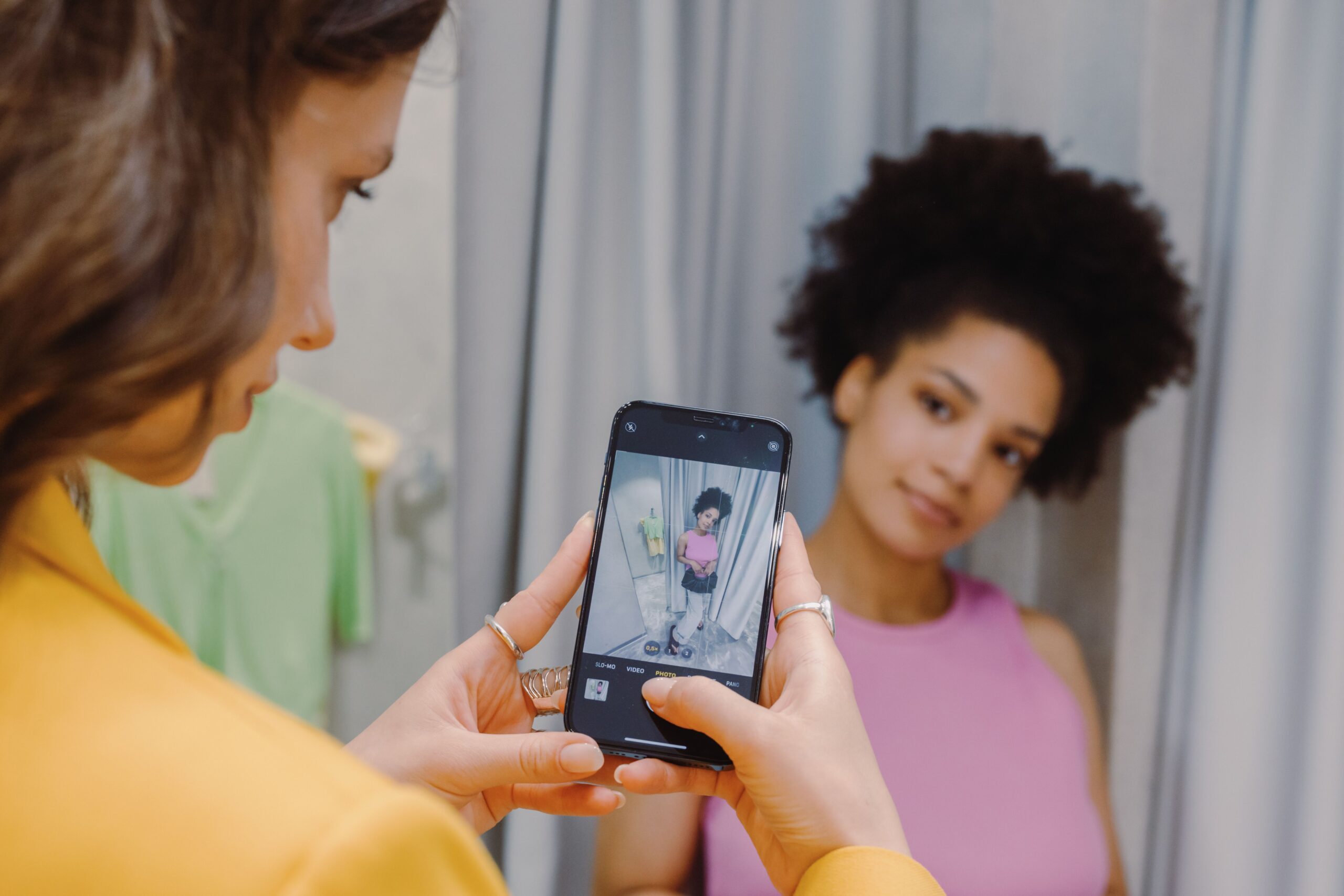
User-generated content has become one of the most valuable tools in the fashion industry. Instead of only showing professional models wearing clothing, brands now encourage customers to share their own photos and videos.

When real customers showcase products online, it creates authenticity. People often prefer seeing how clothing looks on different body types, lifestyles, and personal styles.

Customer reviews, outfit videos, and styling challenges help build trust between brands and consumers. Social media has made fashion more inclusive by showing a wider variety of people wearing and enjoying different styles.

This has encouraged brands to focus more on diversity and representation.

Fashion Shopping Becomes More Social

Social media has also changed the way people shop. Many platforms now include shopping features that allow users to purchase products directly from posts and videos.

Consumers can discover an outfit, learn about a product, and buy it without leaving the platform. This creates a smoother shopping experience and connects inspiration directly with purchasing decisions.

Live shopping has also become popular in some markets, where creators demonstrate products and interact with viewers in real time. This combines entertainment, communication, and shopping into one experience.

The future of fashion retail is likely to become even more connected to social media.

The Rise of Digital Fashion and Virtual Style

Social media has opened the door for digital fashion and virtual creativity. People are increasingly interested in online identities, virtual outfits, and digital experiences.

Some designers are creating digital clothing that exists only online. Users can wear these designs in virtual environments, social media posts, or digital avatars.

This represents a new direction for fashion, where creativity is not limited by physical materials. Digital fashion also supports sustainability because virtual designs do not require traditional manufacturing resources.

As technology develops, social media may become an even bigger platform for digital fashion expression.

How Brands Are Adapting to Social Media

Fashion brands have had to change their strategies because of social media’s influence. Traditional advertising alone is no longer enough. Companies now need to create engaging content, communicate with customers, and maintain an active online presence.

Successful brands focus on storytelling. They share behind-the-scenes content, introduce designers, explain their values, and create emotional connections with audiences.

Social media also allows smaller brands and independent designers to compete with larger companies. A creative campaign or viral product can help a small business gain international attention.

This has made the fashion industry more competitive but also more open to new ideas.

The Role of Sustainability and Awareness

Social media has also increased awareness about important issues in fashion, especially sustainability and ethical production.

Consumers now have more access to information about how clothing is made, where materials come from, and how brands treat workers. Online discussions can quickly influence public opinion about companies.

Many fashion brands are responding by promoting eco-friendly practices, transparent supply chains, and responsible production methods.

Social media has given consumers a stronger voice, encouraging the industry to become more accountable.

Challenges Created by Social Media Fashion

Although social media has brought many positive changes, it has also created challenges. The fast speed of trends encourages overconsumption, as people feel pressure to constantly buy new styles.

The rise of edited images and unrealistic beauty standards can also affect how people view themselves and fashion. Many users compare their appearance to carefully created online content.

Additionally, brands face pressure to constantly create new content and remain relevant in a highly competitive digital environment.

The fashion industry must find a balance between innovation, creativity, and responsible practices.

The Future of Fashion in the Social Media Era

Social media will continue to shape the future of fashion. As technology advances, the relationship between fashion and digital platforms will become even stronger.

Artificial intelligence, virtual experiences, personalized shopping, and online communities will influence how people discover and express style.

The future of fashion will likely be more interactive, inclusive, and personalized. Consumers will continue to play a bigger role in deciding what becomes popular.

Fashion is no longer just something people observe—it is something people create together.

Conclusion

Social media has completely transformed the fashion industry by changing how trends are created, shared, and experienced. It has given power to individuals, created new opportunities for designers and influencers, and made fashion more accessible around the world.

From viral trends and influencer marketing to digital clothing and online shopping, social media has become one of the most powerful forces shaping modern fashion.

The fashion industry of the future will not only be defined by designers and brands but also by the millions of people who share their creativity, opinions, and personal style online.

How Social Media Is Changing the Fashion Industry

The fashion industry has always been influenced by culture, creativity, and communication. In the past, fashion trends were mainly controlled by designers, magazines, fashion shows, and celebrities. People waited for seasonal collections and followed the styles presented by major fashion houses. However, the rise of social media has completely transformed the way fashion is created, shared, and consumed.

Platforms such as Instagram, TikTok, Pinterest, and YouTube have changed fashion from a one-way industry into a global conversation. Today, anyone with a smartphone can influence trends, discover new styles, and build a fashion identity. Social media has given consumers more power while forcing brands to adapt faster than ever before.

From influencer marketing to digital fashion shows, social media is reshaping every part of the fashion world. The industry is becoming more accessible, diverse, and connected, creating new opportunities for brands, designers, and fashion lovers.

The Shift From Traditional Fashion to Digital Fashion

For decades, fashion trends followed a predictable path. Designers introduced collections during fashion weeks, editors selected the most important styles, and magazines shared those trends with the public. This process often took months before reaching everyday consumers.

Social media has changed this timeline completely. A fashion trend can now become popular worldwide within hours. A celebrity outfit, a viral TikTok video, or a creative styling idea can influence millions of people instantly.

Fashion is no longer controlled only by luxury brands and fashion experts. Everyday users now contribute to trend creation. A person wearing a unique outfit can gain thousands or even millions of followers, turning personal style into a source of influence.

This shift has made fashion more democratic. Trends are no longer only created at the top of the industry—they can come from anywhere.

The Growing Power of Fashion Influencers

One of the biggest changes caused by social media is the rise of fashion influencers. These individuals have built large communities by sharing outfit ideas, shopping recommendations, styling tips, and lifestyle content.

Influencers often have strong relationships with their followers because their content feels more personal and relatable compared to traditional advertising. Many consumers trust recommendations from influencers because they see them as real people rather than distant celebrities.

Brands now collaborate with influencers to promote collections, launch products, and reach specific audiences. A single social media post from a popular creator can create massive attention for a fashion item.

This has created a new career path where individuals can become fashion entrepreneurs, brand ambassadors, and style experts without working through traditional fashion systems.

Social Media Creates New Fashion Trends

Social media platforms have become the birthplace of many modern fashion trends. TikTok, in particular, has introduced new aesthetics and style movements that spread rapidly among younger generations.

Trends such as minimalist fashion, vintage-inspired outfits, streetwear styles, and creative layering have gained popularity through online communities. Hashtags allow users to discover specific fashion ideas and participate in global conversations.

Unlike traditional fashion seasons, social media trends move quickly. A style can become popular one month and replaced by a new trend the next. This fast movement challenges brands to become more flexible and responsive.

Fashion companies now monitor online conversations to understand what customers want and what styles are gaining attention.

The Impact of User-Generated Content

User-generated content has become one of the most valuable tools in the fashion industry. Instead of only showing professional models wearing clothing, brands now encourage customers to share their own photos and videos.

When real customers showcase products online, it creates authenticity. People often prefer seeing how clothing looks on different body types, lifestyles, and personal styles.

Customer reviews, outfit videos, and styling challenges help build trust between brands and consumers. Social media has made fashion more inclusive by showing a wider variety of people wearing and enjoying different styles.

This has encouraged brands to focus more on diversity and representation.

Fashion Shopping Becomes More Social

Social media has also changed the way people shop. Many platforms now include shopping features that allow users to purchase products directly from posts and videos.

Consumers can discover an outfit, learn about a product, and buy it without leaving the platform. This creates a smoother shopping experience and connects inspiration directly with purchasing decisions.

Live shopping has also become popular in some markets, where creators demonstrate products and interact with viewers in real time. This combines entertainment, communication, and shopping into one experience.

The future of fashion retail is likely to become even more connected to social media.

The Rise of Digital Fashion and Virtual Style

Social media has opened the door for digital fashion and virtual creativity. People are increasingly interested in online identities, virtual outfits, and digital experiences.

Some designers are creating digital clothing that exists only online. Users can wear these designs in virtual environments, social media posts, or digital avatars.

This represents a new direction for fashion, where creativity is not limited by physical materials. Digital fashion also supports sustainability because virtual designs do not require traditional manufacturing resources.

As technology develops, social media may become an even bigger platform for digital fashion expression.

How Brands Are Adapting to Social Media

Fashion brands have had to change their strategies because of social media’s influence. Traditional advertising alone is no longer enough. Companies now need to create engaging content, communicate with customers, and maintain an active online presence.

Successful brands focus on storytelling. They share behind-the-scenes content, introduce designers, explain their values, and create emotional connections with audiences.

Social media also allows smaller brands and independent designers to compete with larger companies. A creative campaign or viral product can help a small business gain international attention.

This has made the fashion industry more competitive but also more open to new ideas.

The Role of Sustainability and Awareness

Social media has also increased awareness about important issues in fashion, especially sustainability and ethical production.

Consumers now have more access to information about how clothing is made, where materials come from, and how brands treat workers. Online discussions can quickly influence public opinion about companies.

Many fashion brands are responding by promoting eco-friendly practices, transparent supply chains, and responsible production methods.

Social media has given consumers a stronger voice, encouraging the industry to become more accountable.

Challenges Created by Social Media Fashion

Although social media has brought many positive changes, it has also created challenges. The fast speed of trends encourages overconsumption, as people feel pressure to constantly buy new styles.

The rise of edited images and unrealistic beauty standards can also affect how people view themselves and fashion. Many users compare their appearance to carefully created online content.

Additionally, brands face pressure to constantly create new content and remain relevant in a highly competitive digital environment.

The fashion industry must find a balance between innovation, creativity, and responsible practices.

The Future of Fashion in the Social Media Era

Social media will continue to shape the future of fashion. As technology advances, the relationship between fashion and digital platforms will become even stronger.

Artificial intelligence, virtual experiences, personalized shopping, and online communities will influence how people discover and express style.

The future of fashion will likely be more interactive, inclusive, and personalized. Consumers will continue to play a bigger role in deciding what becomes popular.

Fashion is no longer just something people observe—it is something people create together.

Conclusion

Social media has completely transformed the fashion industry by changing how trends are created, shared, and experienced. It has given power to individuals, created new opportunities for designers and influencers, and made fashion more accessible around the world.

From viral trends and influencer marketing to digital clothing and online shopping, social media has become one of the most powerful forces shaping modern fashion.

The fashion industry of the future will not only be defined by designers and brands but also by the millions of people who share their creativity, opinions, and personal style online.

Leave a Comment