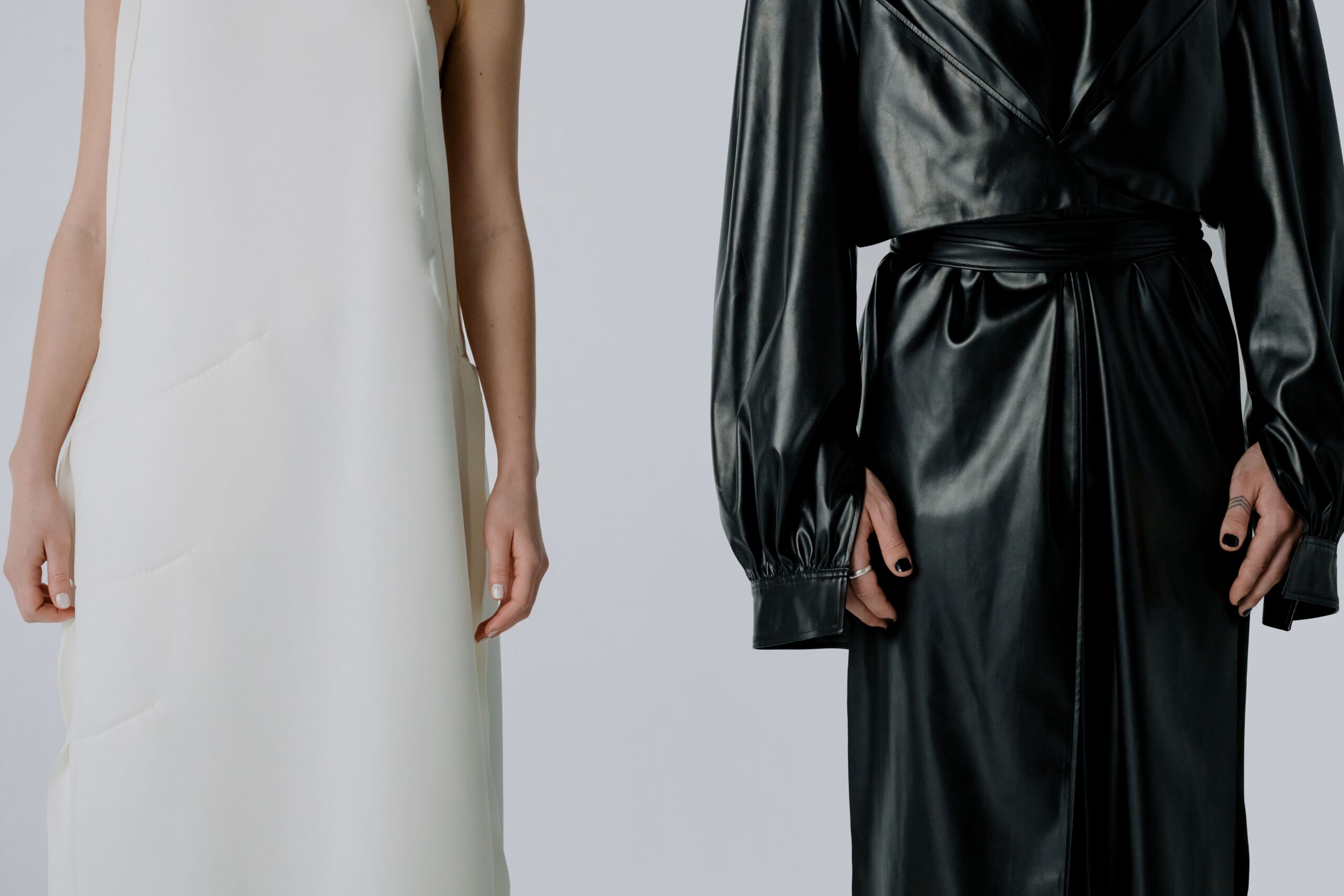
Fashion trends often come and go, but some styles have the power to transform the way people think about clothing. Minimalist fashion is one such movement that has grown significantly in recent years and continues to influence the fashion world. Built around simplicity, quality, functionality, and timeless design, minimalism represents a shift away from excessive consumption and toward a more thoughtful approach to personal style.
The phrase “less is more” perfectly captures the philosophy behind minimalist fashion. Instead of focusing on loud patterns, excessive decorations, or fast-changing trends, minimalist fashion celebrates clean lines, neutral colors, carefully chosen pieces, and effortless elegance. It is not about having fewer clothes simply for the sake of owning less—it is about creating a wardrobe where every item has purpose and value.
As consumers become more conscious about sustainability, personal identity, and quality, minimalist fashion has become more than just a style choice. It has become a lifestyle that reflects confidence, simplicity, and intentional living.
Understanding Minimalist Fashion
Minimalist fashion focuses on reducing unnecessary elements while highlighting the beauty of simplicity. The style is often associated with neutral colors, simple silhouettes, high-quality fabrics, and versatile clothing pieces that can be mixed and matched easily.
A minimalist wardrobe usually includes essential items such as a well-fitted blazer, classic trousers, plain shirts, comfortable knitwear, simple dresses, quality denim, and timeless footwear. These pieces are designed to work together, allowing people to create multiple outfits without needing a large collection of clothing.
Unlike trend-driven fashion, minimalism values longevity. A minimalist piece is not chosen because it is popular for one season—it is chosen because it can remain stylish for years.
Why Minimalist Fashion Is Becoming Popular
One of the biggest reasons behind the rise of minimalist fashion is a change in consumer behavior. Many people are becoming tired of fast fashion, where inexpensive clothing is produced quickly and often replaced after only a few uses.
Consumers are now paying more attention to where their clothes come from, how they are made, and how long they will last. Minimalist fashion aligns with this mindset by encouraging people to invest in fewer, better-quality pieces.
Another reason is the desire for simplicity in a busy modern world. With daily life becoming increasingly fast-paced, many individuals prefer clothing choices that are easy, comfortable, and reliable. A carefully designed minimalist wardrobe reduces the stress of deciding what to wear while still allowing people to look stylish.
The Influence of Quiet Luxury
Minimalist fashion has also been connected to the rise of “quiet luxury,” a style movement focused on understated elegance. Instead of showing wealth through obvious logos or flashy designs, quiet luxury emphasizes craftsmanship, premium materials, and perfect tailoring.
The appeal of quiet luxury lies in its subtlety. A beautifully made coat, a high-quality leather bag, or a perfectly fitted shirt can communicate sophistication without being overly noticeable.
This approach has influenced many designers and fashion enthusiasts who believe that true style comes from quality and confidence rather than excessive decoration.
Sustainability and the Minimalist Movement
Sustainability has played a major role in the growth of minimalist fashion. The fashion industry has faced increasing criticism for waste, pollution, and overproduction. As a result, many people are rethinking their shopping habits.
Minimalist fashion encourages a “buy less, choose better” mindset. Instead of purchasing large amounts of inexpensive clothing, consumers are choosing durable items that can be worn repeatedly in different ways.
This approach helps reduce waste and supports a more responsible relationship with fashion. Clothing becomes something valuable rather than something disposable.
Many sustainable fashion brands are adopting minimalist principles by creating timeless collections made from environmentally friendly materials. This connection between simplicity and sustainability has made minimalism especially attractive to modern consumers.
The Importance of Quality Over Quantity
A key principle of minimalist fashion is choosing quality over quantity. A wardrobe filled with dozens of low-quality items may create more problems than solutions. Clothes may wear out quickly, become outdated, or fail to provide comfort.
Minimalism encourages investing in pieces that are well-made and designed to last. Quality fabrics, strong construction, and thoughtful details become more important than simply following every new trend.
A high-quality wardrobe may contain fewer items, but each piece serves a purpose. This creates a sense of organization and confidence because every outfit feels intentional.
Minimalist Fashion and Personal Identity
Minimalism is not about everyone dressing the same way. Instead, it provides a foundation that allows personal style to stand out.
A simple outfit can become unique through small details such as accessories, footwear, layering, or personal preferences in color and texture. Minimalist fashion creates a blank canvas where individuality can shine.
For some people, minimalism means wearing mostly neutral colors and classic designs. For others, it may mean choosing simple pieces with artistic shapes or unique materials. The goal is not perfection—it is authenticity.
The Role of Technology in Minimalist Fashion
Technology is also influencing the minimalist fashion movement. Digital wardrobes, AI styling tools, and online shopping platforms make it easier for people to organize their clothing collections and make smarter purchasing decisions.
Technology allows consumers to compare quality, discover sustainable brands, and understand how their choices affect the environment. It also helps designers create more efficient production methods and reduce unnecessary waste.
As technology continues to develop, minimalist fashion may become even more personalized and practical.
Minimalism in Everyday Life
The popularity of minimalist fashion reflects a broader cultural movement toward simpler living. Many people are applying minimalist ideas beyond clothing by reducing clutter, focusing on meaningful purchases, and prioritizing experiences over possessions.
Fashion is becoming part of this lifestyle shift. Instead of constantly chasing new trends, people are building wardrobes that support their daily routines and personal values.
A minimalist wardrobe can also save time and money. When clothing choices are carefully planned, people often spend less on unnecessary purchases and avoid the frustration of having a closet full of items they rarely wear.
How to Create a Minimalist Wardrobe
Building a minimalist wardrobe does not require replacing everything at once. It begins with understanding personal needs and choosing pieces carefully.
A good starting point is removing items that are rarely worn and keeping only clothing that fits well and feels comfortable. From there, individuals can focus on adding versatile essentials.
Important elements of a minimalist wardrobe include:
- Neutral basics that can be styled in different ways
- Comfortable and durable fabrics
- Classic pieces that do not quickly go out of style
- Clothing that fits personal lifestyle needs
- Accessories that add personality without creating clutter
The goal is to create a wardrobe that feels simple, functional, and personal.
The Future of Minimalist Fashion
The future of fashion is likely to include a stronger focus on intentional choices. As environmental concerns, economic factors, and lifestyle changes continue influencing consumers, minimalism will remain an important movement.
Fashion will continue evolving, but the idea of choosing meaningful pieces over excessive consumption is likely to stay relevant. Minimalist fashion represents a balance between style and responsibility—a way to look good while making thoughtful decisions.
Conclusion
The rise of minimalist fashion proves that simplicity can be powerful. By focusing on quality, versatility, and personal expression, minimalism offers an alternative to the constant cycle of fast-changing trends.
“Less is more” is not just a fashion statement—it is a mindset. It encourages people to value what they own, make smarter choices, and create a style that reflects who they truly are.
As the fashion industry continues to change, minimalist fashion will remain a symbol of elegance, confidence, and timeless beauty.