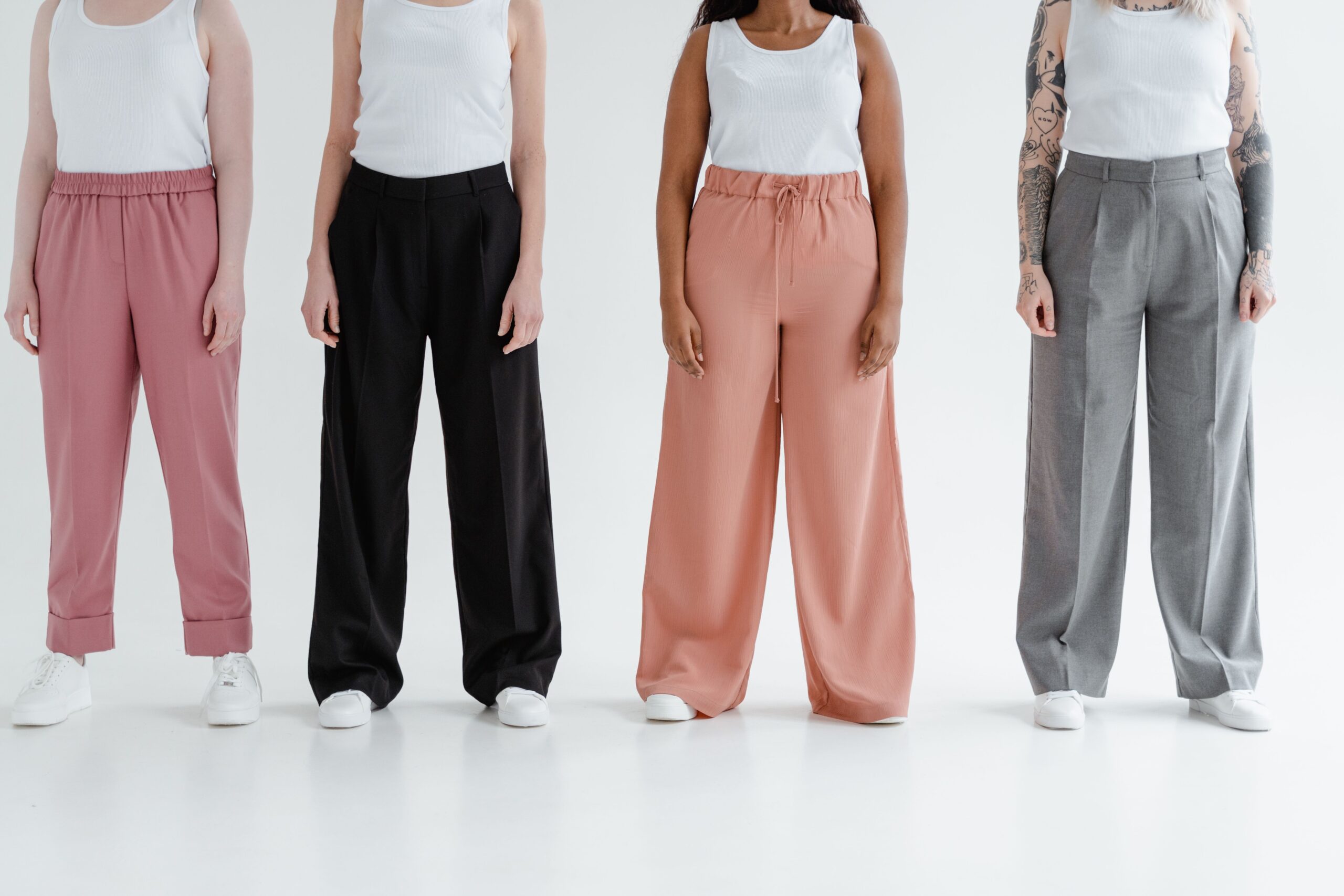
Fashion is not about fitting into a single ideal shape—it is about discovering what works best for your unique body, personality, and lifestyle. Everyone has a different body structure, and understanding how to dress for it can completely transform the way clothes look and feel. Instead of chasing trends blindly, learning how to highlight your natural proportions allows you to build a wardrobe that feels confident, comfortable, and authentic.
The idea of “perfect style” is not about changing your body. It is about using clothing to balance proportions, enhance features you like, and create harmony in your overall look. In 2026 and beyond, fashion continues moving toward inclusivity and individuality, making it easier than ever to embrace your natural shape.
This guide explores different body types and offers practical styling advice to help you find outfits that truly work for you.
Understanding Body Types in Fashion
Before exploring styling tips, it is important to understand that body types are simply general categories used to describe proportions. They are not strict rules, and most people fall somewhere between multiple types.
The most commonly referenced body shapes include:
- Hourglass
- Pear (Triangle)
- Apple (Round)
- Rectangle (Straight)
- Inverted Triangle
Each body type has its own strengths, and the goal of fashion is to balance proportions while highlighting your favorite features.
1. Hourglass Body Type: Emphasizing Natural Curves
The hourglass body shape is characterized by a well-defined waist with balanced bust and hip measurements. The key styling goal for this body type is to highlight the waistline while maintaining proportion.
Best Style Choices:
Fitted clothing works beautifully for hourglass figures. Wrap dresses, belted outfits, and tailored pieces help emphasize natural curves without overwhelming them. High-waisted pants and skirts also enhance the waist and create a balanced silhouette.
Tops and Dresses:
- Wrap tops and dresses
- V-neck or sweetheart necklines
- Tailored blouses that follow body shape
Bottoms:
- High-waisted jeans
- Pencil skirts
- Straight or slightly flared pants
Styling Tip:
Avoid overly boxy or shapeless clothing, as it can hide your natural waistline. Instead, choose pieces that gently follow your curves without being too tight.
2. Pear Body Type: Balancing Hips and Shoulders
The pear-shaped body features narrower shoulders and a wider hip area. The goal is to draw attention upward while balancing the lower half of the body.
Best Style Choices:
Focus on enhancing the upper body while keeping the lower half simple and streamlined. Bright colors, patterns, and detailing on tops help create visual balance.
Tops:
- Off-shoulder tops
- Puff sleeves
- Boat neck or wide necklines
- Bright or patterned blouses
Bottoms:
- Straight-leg jeans
- Dark-colored pants or skirts
- A-line skirts that flow gently
Dresses:
- A-line dresses
- Fit-and-flare silhouettes
Styling Tip:
Avoid overly tight pants or heavily embellished lower garments. Instead, keep the bottom half minimal while adding interest to the upper body.
3. Apple Body Type: Creating Definition and Structure
The apple-shaped body tends to carry more weight around the midsection, with slimmer legs and arms. The goal is to create definition around the waist while drawing attention to the legs and neckline.
Best Style Choices:
Flowy fabrics and structured cuts help create balance. The focus should be on elongating the torso and highlighting the legs.
Tops:
- V-neck tops
- Empire waist tops
- Tunics that drape gently
Bottoms:
- Straight-leg pants
- High-rise jeans
- Tailored trousers
Dresses:
- Empire waist dresses
- Wrap dresses
- A-line silhouettes
Styling Tip:
Avoid overly tight waistbands or clingy fabrics around the stomach area. Vertical lines and structured tailoring can create a slimming, elongated effect.
4. Rectangle Body Type: Creating Curves and Dimension
The rectangle body shape has balanced shoulders, waist, and hips with less definition at the waist. The goal is to create the illusion of curves and add dimension.
Best Style Choices:
Layering, belts, and structured clothing help define the waist and create shape. Experimenting with textures and volume can also enhance proportions.
Tops:
- Ruffled or detailed tops
- Peplum styles
- Off-shoulder designs
Bottoms:
- Skinny jeans
- Wide-leg pants
- Pleated skirts
Dresses:
- Belted dresses
- Wrap dresses
- Fit-and-flare styles
Styling Tip:
Belts are especially useful for this body type, as they help create a more defined waistline. Avoid overly straight silhouettes that can make the body appear boxy.
5. Inverted Triangle Body Type: Balancing Broad Shoulders
The inverted triangle shape is characterized by broader shoulders and a narrower lower body. The goal is to soften the upper body while adding volume to the lower half.
Best Style Choices:
Focus on drawing attention downward while keeping the upper body simple and elegant.
Tops:
- V-neck or scoop neck tops
- Minimal shoulder detailing
- Dark-colored tops
Bottoms:
- Wide-leg pants
- Flared skirts
- Printed or light-colored bottoms
Dresses:
- A-line dresses
- Skirts with volume
- Drop-waist styles
Styling Tip:
Avoid heavy shoulder pads or highly structured tops that emphasize width. Instead, choose soft fabrics and clean lines for a balanced look.
6. Universal Styling Principles for All Body Types
While each body type has specific recommendations, there are some universal fashion principles that work for everyone:
Focus on Fit
No matter your shape, well-fitting clothes always look better than oversized or overly tight pieces. Tailoring can completely transform an outfit.
Balance is Key
If one part of your outfit is bold or voluminous, keep the other part simple to maintain harmony.
Highlight Your Favorite Features
Fashion is personal. Whether you love your legs, shoulders, waist, or arms, choose clothing that draws attention to those areas.
Comfort Matters
Confidence comes from comfort. If you feel restricted in an outfit, it will show in your posture and expression.
7. The Role of Color and Fabric
Color and fabric choices are just as important as silhouette. Dark colors tend to create a slimming effect, while lighter and brighter tones draw attention. Patterns can add visual interest, but placement matters depending on the body type.
Flowy fabrics like chiffon and cotton create softness, while structured fabrics like denim and wool add definition. Understanding how materials behave on your body can help refine your style choices.
8. Breaking Fashion Rules with Confidence
While body type guidelines are helpful, they are not strict rules. Fashion today encourages experimentation and self-expression. Many style icons break traditional fashion rules and still look confident because they wear what makes them feel good.
The most important aspect of fashion is confidence. When you feel good in what you wear, it naturally enhances your appearance.
Conclusion
Fashion for different body types is not about limitation—it is about empowerment. Understanding your body shape helps you make better clothing choices, but it should never restrict your creativity. Whether you have an hourglass, pear, apple, rectangle, or inverted triangle body type, there are countless ways to express your personality through fashion.
The perfect style is not universal. It is personal. By focusing on fit, balance, comfort, and self-expression, you can build a wardrobe that makes you feel confident every day. Ultimately, the best fashion statement you can make is embracing who you are and dressing in a way that reflects it.